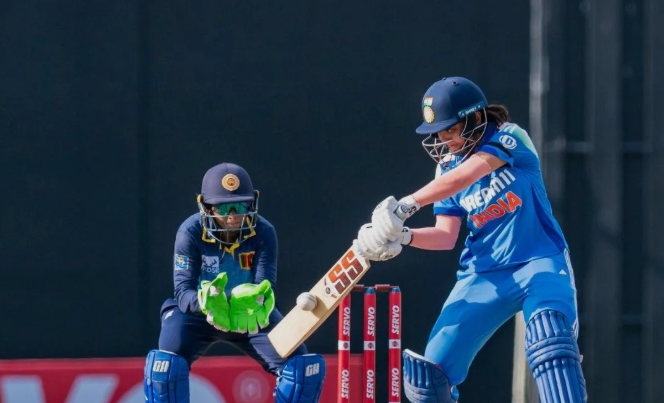
The Sri Lanka Women vs India Women’s National Cricket Team rivalry is one of the most significant contests in Asian women’s cricket. Over the years, these two teams have met in ODIs, T20Is, and major tournaments, producing memorable performances and exciting moments. India has traditionally dominated the head-to-head record with its experienced batting lineup and strong bowling attack. However, Sri Lanka has steadily improved and emerged as a competitive force capable of challenging the region’s best teams. From legendary players to rising stars, this rivalry showcases the growth of women’s cricket in South Asia and continues to attract attention from cricket fans around the world.
Overall Head-To-Head Record
Format
Total Matches
India Wins
Sri Lanka Wins
No Result / Tie
ODI
36
32
3
1
T20I
31
25
5
1
Test
0
0
0
0
All Formats
67
57
8
2
ODI Stats
Statistic
India Women
Sri Lanka Women
Matches Played
36
36
Most Wins
32
3
Highest Team Total
342/7
278/7
Lowest Team Total
138
98
Most World Cup Wins
4
1
T20I Stats
Statistic
India Women
Sri Lanka Women
Matches Played
31
31
Most Wins
25
5
Highest Team Total
221/2
191/6
Lowest Team Total
106/9
65/9
Most Runs
Smriti Mandhana (657 runs)
Chamari Athapaththu (573 runs)
Most Wickets
Deepti Sharma (19 wickets)
Inoka Ranaweera (15 wickets)
Test Stats
Statistic
India Women
Sri Lanka Women
Matches Played
0
0
Wins
0
0
Draws
0
0
Team Match Stats
Match Condition
India Women Wins
Sri Lanka Women Wins
Batting First
22
4
Batting Second / Chasing
35
4
Matches Won at Home Soil
9
4
Matches Won at Neutral Venues
16
1
The Beginning of a South Asian Women’s Cricket Rivalry
The rivalry between Sri Lanka Women and India Women began as women’s cricket was steadily gaining recognition across South Asia. India entered the competition with a stronger domestic structure and greater international experience, while Sri Lanka focused on building a competitive squad capable of challenging regional powers. Early encounters often favored India due to their batting depth and disciplined bowling attack. However, these matches helped Sri Lanka develop confidence and identify future stars. Every series added a new chapter to the rivalry, creating memorable moments for fans. Over time, the contest evolved from one-sided results into a more competitive battle, reflecting the growth of women’s cricket in both nations and setting the stage for many exciting encounters.
Season
Score
Winner
Performance
Key Highlight
Early 2000s
IND 180+
India Women
Dominant batting
Strong opening partnerships
2005
IND Win
India Women
Balanced team effort
Consistent bowling
2008
Close Contest
India Women
Competitive match
Sri Lanka improved
2010
IND Win
India Women
All-round display
Rivalry gained attention
India Sets the Early Standard
India Women established themselves as the stronger side during the early years of this rivalry. Their experienced batters consistently posted competitive totals, while the bowling unit maintained pressure throughout the innings. Players such as Mithali Raj and Jhulan Goswami became central figures in India’s success against Sri Lanka. The team displayed tactical discipline, especially in ODI cricket, where they frequently controlled matches from start to finish. Sri Lanka occasionally produced spirited performances but struggled to match India’s consistency. These early victories gave India a significant head-to-head advantage and set the benchmark for future contests. The foundation built during this era played a major role in shaping India’s reputation as one of Asia’s leading women’s cricket teams.
Season
Score
Winner
Performance
Key Highlight
2006
IND 220+
India Women
Strong batting
Top-order dominance
2007
IND Win
India Women
Bowling excellence
Early wickets
2009
IND Win
India Women
Complete control
Experienced squad
2011
IND 200+
India Women
Consistent display
Tactical superiority
Tournament Battles That Raised the Stakes
Major tournaments added intensity to the Sri Lanka Women versus India Women rivalry. Women’s Asia Cup encounters became especially important because regional supremacy was at stake. India often entered as favorites, but Sri Lanka frequently produced determined performances under pressure. Tournament matches carried greater emotional significance because every run and wicket influenced qualification hopes and championship ambitions. Several contests featured dramatic chases, disciplined bowling spells, and crucial partnerships. These games showcased the growing competitiveness of women’s cricket in Asia and attracted greater attention from fans and media. The pressure of tournament cricket transformed ordinary matches into memorable battles that strengthened the rivalry and created lasting moments in women’s cricket history.
Season
Score
Winner
Performance
Key Highlight
Asia Cup 2012
IND Win
India Women
Controlled chase
Strong partnerships
Asia Cup 2016
IND Win
India Women
Dominant bowling
Restrictive spell
Asia Cup 2018
Close Match
India Women
Pressure handling
Late match control
Asia Cup 2022
Competitive
India Women
Tactical execution
Crucial wickets
The Rise of Sri Lanka’s New Generation
Sri Lanka Women entered a new phase as emerging players began narrowing the gap with India. Improved domestic cricket and greater international exposure helped produce a more confident and skilled squad. Young batters displayed aggressive intent, while bowlers developed strategies suited to modern limited-overs cricket. Several matches against India became far more competitive than in previous years. Sri Lanka’s ability to challenge stronger opponents increased fan belief and strengthened the team’s reputation. This generation demonstrated that the rivalry was no longer entirely one-sided. Their performances highlighted the progress of Sri Lankan women’s cricket and signaled a future in which victories against major teams could become increasingly common.
Season
Score
Winner
Performance
Key Highlight
2020
Close Contest
India Women
Improved Sri Lanka effort
Competitive batting
2021
IND Win
India Women
Strong finish
Match awareness
2022
SL Competitive
India Women
Better bowling
Young talent emerged
2023
Tight Match
India Women
Balanced display
Future stars impressed
Statistical Deep Dive
Statistics reveal India’s historical dominance, but they also show Sri Lanka’s gradual improvement over the years. India leads in overall victories, highest partnerships, and major tournament successes. Legendary players such as Mithali Raj, Harmanpreet Kaur, and Jhulan Goswami contributed significantly to India’s record. Sri Lanka has produced notable performers including Chamari Athapaththu, whose match-winning innings often challenged Indian bowlers. The rivalry features impressive batting performances, economical bowling spells, and memorable all-round displays. Recent matches indicate a narrowing gap between the two teams, making future contests more unpredictable. These statistics not only reflect results but also tell the story of two nations helping elevate women’s cricket across Asia.
Category
Score/Record
Winner/Leader
Performance
Key Highlight
Overall Head-to-Head
India Lead
India Women
Consistent success
Long-term dominance
Highest Individual Score
Major Batting Record
India Women
Top-order excellence
Match-winning innings
Best Bowling Figures
Leading Spell
India Women
Wicket-taking impact
Game-changing performance
Recent Competitive Era
Narrow Margins
Both Teams
Improved standards
Stronger rivalry
Conclusion
The Sri Lanka Women vs India Women’s National Cricket Team rivalry reflects the remarkable development of women’s cricket in Asia. While India has enjoyed greater success through consistency and world-class talent, Sri Lanka has made significant progress and produced several memorable performances. Every encounter has contributed to the evolution of both teams, creating unforgettable scorecards, individual records, and thrilling moments for supporters. As new generations of players continue to emerge, the competition is becoming increasingly balanced and exciting. With growing fan interest and improving standards, this rivalry is expected to deliver many more historic matches and inspiring performances in the years ahead.