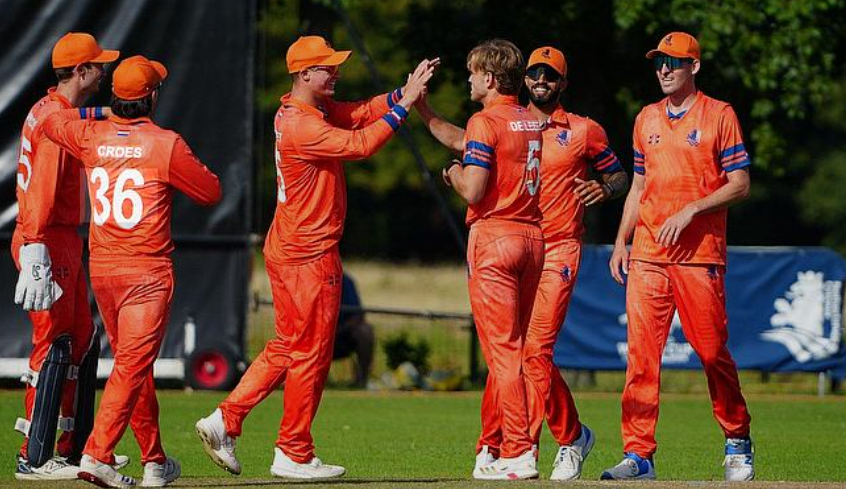
The rivalry between Scotland and the Netherlands has become one of the most respected contests in Associate cricket. Their matches have consistently delivered pressure, emotion, tactical battles, and unforgettable finishes across ICC tournaments and qualification events. Both teams entered international cricket with the same ambition of earning global recognition, which made every encounter highly competitive. Over the years, thrilling run chases, dramatic bowling spells, and outstanding individual performances have shaped this rivalry into a memorable cricket story. From tense World Cup qualifiers to exciting T20 clashes, these teams have pushed each other to improve constantly and prove their strength on the international stage with fearless and determined cricket.
Latest Matches Table
Date
Format
Venue
Winner
Margin
Score
08 Jul 2025
T20I
The Hague
Scotland
6 runs
SCO 148/9 vs NED 142/7
18 Jun 2025
T20I
Glasgow
Netherlands
17 runs
NED 198/7 vs SCO 181/9
15 Jun 2025
T20I
Glasgow
Scotland
39 runs
SCO 160/8 vs NED 121
12 Jun 2025
ODI
Dundee
Netherlands
4 wickets
SCO 369/6 vs NED 374/6
06 Jun 2025
ODI
Dundee
Scotland
44 runs
SCO 262/9 vs NED 218
16 May 2025
ODI
Utrecht
Scotland
145 runs
SCO 380/9 vs NED 235
Team Statistics Summary Table
Format
Played
Scotland Won
Netherlands Won
Tied
No Result
Win % (SCO)
ODIs
15
8
6
0
1
53.33%
T20Is
16
9
7
0
0
56.25%
Overall
31
17
13
0
1
54.83%
Home Matches
12
7
5
0
0
58.33%
Away Matches
11
6
4
0
1
54.54%
Neutral Venue
8
4
4
0
0
50.00%
Individual Batting Records Table
Player
Team
Runs
Matches
High Score
Average
Strike Rate
George Munsey
Scotland
442
12
127*
40.18
176.09
Max O’Dowd
Netherlands
385
11
92
35.00
128.40
Michael Levitt
Netherlands
192
5
90
38.40
137.14
Richie Berrington
Scotland
310
14
76
28.18
122.50
Scott Edwards
Netherlands
245
10
62
27.22
115.30
Brandon McMullen
Scotland
185
6
72
37.00
124.10
Individual Bowling Records Table
Player
Team
Wickets
Matches
Best Figures
Average
Economy
Mark Watt
Scotland
20
14
5/27
17.80
6.55
Alasdair Evans
Scotland
13
8
5/24
16.20
7.10
Pieter Seelaar
Netherlands
9
11
3/20
22.40
6.80
Aryan Dutt
Netherlands
5
4
3/17
20.20
5.80
Chris Greaves
Scotland
6
5
3/26
19.50
6.50
Logan van Beek
Netherlands
7
6
2/25
24.10
6.20
When Scotland and Netherlands First Shared the Same Cricket Dream
Scotland and the Netherlands entered international cricket with similar ambitions and limited global recognition, which made their meetings far more emotional than many expected. In the early ICC tournaments, both sides were desperate to prove that Associate cricket could compete with established nations. Their clashes were never just about points on the table because every victory carried hopes of World Cup qualification and international respect. Scotland often relied on disciplined seam bowling in swinging conditions, while the Dutch side preferred calm batting structure and tactical rotation of strike. The rivalry slowly became intense as both teams started understanding each other’s strengths and weaknesses. Every contest brought dramatic moments, pressure finishes, and performances from players determined to change the future of cricket in their countries. Fans from both nations developed deep emotional investment because wins against fellow Associate rivals felt personal and historic. Those early matches created the foundation of one of the strongest rivalries outside full member cricket and helped both teams grow into respected international sides with fearless attitudes and competitive identity.
ICC Trophy Era
Scotland Advantage
Netherlands Response
Match Result
Tournament Impact
Early 2000s
Swing bowling
Patient batting
Close finish
Qualification race
ICC Events
Strong fielding
Tactical captaincy
Competitive games
Ranking points
Neutral Venues
Balanced attack
Spin control
Tight matches
Rivalry growth
Associate Cricket
Team discipline
Aggressive intent
Memorable contests
Fan attention
The Early ICC Tournaments That Sparked a Fierce Associate Rivalry
The rivalry truly intensified during ICC tournaments where both teams regularly fought for qualification spots and international survival. These matches carried massive pressure because one defeat could end World Cup hopes or damage years of progress. Scotland built their approach around consistent bowling partnerships and aggressive field placements, while the Netherlands preferred calculated batting and smart chase management. Their contests became famous for low margin finishes, stubborn partnerships, and emotionally charged celebrations. As the years progressed, players from both sides started treating these encounters like major international rivalries rather than ordinary Associate fixtures. The pressure of ICC qualifiers added another layer because careers, contracts, and national pride were often on the line. Fans followed every ball closely since these matches usually determined rankings and qualification opportunities. Several clashes also produced unexpected heroes who delivered under pressure and changed tournament outcomes. The growing intensity between both sides proved that Associate cricket could produce drama equal to the biggest rivalries in world cricket and helped elevate the competitive reputation of European cricket.
Tournament Stage
Scotland Strength
Netherlands Strength
Pressure Moment
Result Pattern
ICC Qualifiers
Seam attack
Calm batting
Final overs
Narrow margins
Group Matches
Aggressive captaincy
Rotation strike
Powerplay battle
Balanced results
Knockout Games
Bowling depth
Middle order stability
Chase pressure
Intense finishes
Qualification Race
Team unity
Tactical planning
Net run rate
Rivalry expanded
Dutch Discipline vs Scottish Grit in the First Defining Encounters
The first truly defining encounters between these teams revealed two completely different cricketing identities. Scotland played with visible aggression and emotional energy, especially while defending totals, whereas the Netherlands depended on patience and technical control during tense situations. This contrast made every match unpredictable because momentum changed rapidly. Scottish bowlers often attacked with short spells and aggressive field settings, forcing Dutch batters into uncomfortable decisions. In reply, the Netherlands regularly absorbed pressure before counterattacking during middle overs. Several matches became famous for dramatic collapses, game changing catches, and partnerships formed under immense pressure. The rivalry also gained emotional weight because both nations were fighting for respect in a cricket world dominated by larger teams. Players celebrated wickets passionately, captains constantly adjusted tactics, and fans treated victories like historic achievements. These encounters established a pattern that continued for years where neither side accepted defeat easily. The balance between discipline and fighting spirit transformed the rivalry into one of the most entertaining battles in Associate cricket history.
Match Situation
Scotland Approach
Netherlands Approach
Key Turning Point
Crowd Reaction
Defending Totals
Fast bowling attack
Patient recovery
Middle overs
Loud support
Chasing Targets
Aggressive batting
Controlled chase
Final partnership
High tension
Powerplay Overs
Early wickets
Strike rotation
Field pressure
Nervous atmosphere
Death Overs
Yorker strategy
Boundary hitting
Last over drama
Emotional finish
Ryan ten Doeschate, Kyle Coetzer, and the Players Who Changed the Rivalry
Great rivalries are always shaped by unforgettable players, and this contest produced several stars who carried their nations during crucial moments. Ryan ten Doeschate became one of the Netherlands’ greatest match winners because of his calm batting, intelligent stroke play, and ability to dominate pressure situations. Scotland answered with leaders like Kyle Coetzer, whose fearless captaincy and reliable batting inspired confidence across the team. Their performances added personality and emotion to the rivalry because fans began connecting matches with individual battles. Several bowlers also became important figures through disciplined spells and breakthrough wickets during tense stages. These players understood the emotional value of every match and consistently delivered in critical moments. Some innings rescued impossible situations while certain bowling spells completely shifted momentum. The rivalry became richer because it was no longer only about teams but also about individual pride and leadership. Their contributions helped Associate cricket gain international attention and proved that high quality talent existed beyond traditional cricket powers.
Player Role
Scotland Performer
Netherlands Performer
Major Contribution
Rivalry Influence
Opening Batter
Kyle Coetzer
Stephan Myburgh
Strong starts
Match momentum
All Round Impact
Richie Berrington
Ryan ten Doeschate
Balance to side
Pressure control
Bowling Threat
Safyaan Sharif
Paul van Meekeren
Key wickets
Tactical edge
Team Leadership
Calm captaincy
Aggressive intent
Match inspiration
Fan connection
ICC World Cup Qualifiers That Turned Every Ball Into a Pressure Test
Few matches in Associate cricket carried more tension than the World Cup qualifiers involving these two nations. Every ball felt important because qualification opportunities were rare and financially significant. Scotland often entered these games with attacking intent, hoping early wickets would break Dutch confidence. The Netherlands, however, regularly responded through disciplined partnerships and calm game awareness. Several qualifier matches produced unforgettable pressure moments where dropped catches, run outs, or final over boundaries changed entire tournament outcomes. Players knew these contests could shape careers and future funding for cricket development in their countries. The emotional intensity was visible in every appeal, celebration, and strategic timeout. Fans followed these clashes passionately because victories represented far more than simple match wins. Qualification battles also exposed tactical differences between the teams, with Scotland preferring aggressive field settings while the Dutch side trusted controlled execution. These encounters became defining chapters in Associate cricket and strengthened the rivalry’s reputation worldwide.
Qualifier Event
Scotland Strategy
Netherlands Strategy
Decisive Moment
Tournament Outcome
ICC Qualifier
Early wickets
Stable partnerships
Final overs
Qualification impact
Chase Scenario
Aggressive batting
Controlled tempo
Run chase pressure
Ranking boost
Knockout Match
Field pressure
Defensive recovery
Key breakthrough
Emotional victory
High Stakes Game
Bowling attack
Tactical rotation
Last wicket stand
Historic memories
Tactical Battles Between Scottish Seam Movement and Dutch Batting Control
One reason this rivalry remained fascinating was the tactical contrast between both sides. Scotland traditionally trusted seam movement, disciplined lengths, and aggressive field placements, especially in overcast conditions. Their bowlers targeted early breakthroughs to place pressure on the Dutch middle order. The Netherlands responded through technical batting, patient strike rotation, and calculated acceleration after surviving difficult phases. Captains from both teams constantly adjusted strategies depending on pitch conditions and tournament pressure. Some matches became tactical chess games where momentum shifted because of subtle field changes or bowling rotations. Scotland often attacked with energy during powerplays, while the Dutch side preferred building innings gradually before launching late assaults. These tactical differences ensured that no match felt repetitive. Coaches and analysts closely studied previous encounters because both teams adapted quickly from past mistakes. The rivalry therefore became not only emotional but also intellectually competitive, with strategy playing a huge role in deciding important international contests.
Tactical Area
Scotland Style
Netherlands Style
Match Effect
Key Advantage
Bowling Plans
Swing movement
Controlled spin
Early pressure
Wicket opportunities
Batting Tempo
Aggressive approach
Steady partnerships
Momentum shifts
Stability
Field Placements
Attacking fields
Defensive balance
Run restriction
Tactical control
Death Overs
Yorker execution
Boundary targeting
Final over drama
Match finish
Matches Decided in the Final Overs That Still Haunt Fans
Some of the most unforgettable meetings between these teams were decided in the final overs, leaving fans emotionally exhausted long after the matches ended. Scotland and the Netherlands repeatedly produced thrillers where momentum changed with every delivery. A single dropped catch, missed run out, or unexpected boundary often transformed the entire result. Supporters from both nations experienced joy and heartbreak within minutes because these contests rarely ended comfortably. Several matches saw lower order batters rescuing impossible situations while bowlers defended tiny totals under enormous pressure. The atmosphere during final overs became intense as players constantly communicated strategies and captains adjusted fields ball by ball. Fans still remember dramatic finishes where qualification hopes survived because of one brilliant over or fearless partnership. These moments gave the rivalry lasting emotional value and made neutral viewers appreciate Associate cricket at a higher level. The repeated close finishes also strengthened respect between both teams because every contest demanded resilience, intelligence, and courage until the final delivery.
Thriller Match
Scotland Moment
Netherlands Moment
Final Over Scene
Fan Memory
Close Chase
Boundary finish
Tight bowling
Last ball result
Emotional reactions
Low Scoring Game
Bowling pressure
Defensive fight
Nervous finish
Historic tension
Qualification Clash
Middle order rescue
Counter attack
Dramatic collapse
Lasting impact
T20 Thriller
Aggressive hitting
Smart fielding
Final wicket
Crowd excitement
Conclusion
Scotland and the Netherlands have built a rivalry that represents the passion and growth of Associate cricket. Their contests have produced emotional victories, heartbreaking defeats, and performances that inspired cricket fans around the world. Every match added a new chapter filled with tactical battles, aggressive cricket, and moments of individual brilliance. Players from both sides showed resilience under pressure and helped elevate the standard of European cricket through competitive encounters. The rivalry continues to grow with every tournament as both nations fight for higher rankings and international respect. Their matches remain unpredictable, entertaining, and deeply important for the future of cricket beyond traditional powerhouse nations.